

Introduction
Freehold townhomes are one of the most sought-after housing types in Ontario, especially in the GTA where detached homes are increasingly out of reach for many buyers. But despite their popularity, there is still a lot of confusion around what “freehold” actually means in a townhome context.
Understanding this structure matters because it directly affects your ownership rights, monthly costs, and long-term resale value.
What Is a Freehold Townhome?
A freehold townhome means you own both:
-
The building itself
-
The land it sits on
There is no condo corporation controlling your unit, and you are responsible for all maintenance and repairs.
However, some freehold townhomes may still exist within managed communities, especially newer developments, which can add shared responsibilities.
How It Differs From Condo Townhomes
Freehold Townhome
-
Full ownership of home and land
-
No monthly condo fees
-
You handle all maintenance
-
More control over property
Condo Townhome
-
You own interior unit only
-
Monthly condo fees apply
-
Exterior and common areas maintained by condo corporation
-
Less personal responsibility
Key difference:
Freehold equals full ownership control, while condo ownership splits responsibilities.
Do Freehold Townhomes Have Monthly Fees?
In most cases, no traditional condo fees apply.
However, some Ontario communities include:
-
Private road maintenance fees
-
Snow removal fees
-
Shared landscaping costs
These can range from $80 to $300 per month, depending on the development.
Why Freehold Townhomes Are So Popular in Ontario
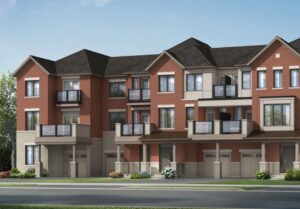
Demand has increased significantly because:
-
Detached homes in the GTA are often above $1.2M to $1.6M+ in many areas
-
Townhomes offer a lower entry point, often $300K to $700K less than detached homes depending on location
-
Population growth in the GTA continues to exceed 100,000+ people per year, increasing housing demand pressure
-
Buyers want ownership without condo restrictions
This has made freehold townhomes the “middle ground” between affordability and ownership freedom.
Advantages of Freehold Townhomes
1. Full Ownership Control
You decide on renovations, maintenance timing, and property use without a condo board.
2. No Monthly Condo Fees
This can significantly reduce monthly carrying costs compared to condo townhomes.
3. Strong Resale Demand
Freehold properties tend to attract more long-term buyers, especially families.
4. Better Long-Term Equity Growth
Land ownership typically drives stronger appreciation over time.
Disadvantages to Consider
1. Full Maintenance Responsibility
You are responsible for:
-
Roof
-
Exterior
-
Driveway
-
Plumbing and systems
2. Higher Unexpected Costs
Repairs can be unpredictable and expensive.
3. Less Predictable Community Management
If part of a shared POTL or private road setup, rules and fees may still exist.
Freehold Townhomes vs Detached Homes
Detached homes still hold advantages:
-
Larger lot sizes
-
More privacy
-
Higher long-term appreciation in many areas
However, freehold townhomes offer:
-
Lower entry price
-
Lower maintenance than detached homes
-
Strong demand among first-time buyers and young families
In many GTA markets, the price gap between the two continues to widen, pushing more buyers toward townhomes.
Are Freehold Townhomes a Good Investment?
Generally, yes, under the right conditions:
They perform well when:
-
Located in growing suburban markets
-
Close to transit, schools, and employment hubs
-
Part of limited-supply developments
However, they may underperform if:
-
Oversupplied in a specific area
-
Built in low-demand suburban pockets
-
Poorly designed or in less desirable school zones
Final Takeaway
A freehold townhome offers one of the best balance points in Ontario real estate: full ownership without detached-home pricing.
It is not maintenance-free, and it is not identical to detached ownership, but it provides a practical entry point into land-based housing in a market where affordability continues to tighten.