

Pre-Construction vs Resale: Which Is the Better Choice Today?
Choosing between pre-construction and resale homes in Canada is not as straightforward as it used to be. The market has shifted. Interest rates are higher than what buyers got used to in the early 2020s, affordability is stretched, and price growth is much slower and less predictable. Because of that, the decision now comes down less to hype and more to risk, timing, and total real cost.
What you are actually choosing between
A resale home is already built. You can walk through it, see its condition, understand the neighbourhood, and close relatively quickly, usually within 30 to 90 days. There is very little guesswork involved.
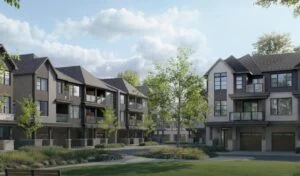
Pre-construction is the opposite. You are buying a home that has not been built yet based on plans, renderings, and a sales centre model. Depending on the project, you could be waiting two to five years before you move in.
That time gap changes the financial risk in a real way, especially in today’s slower market.
Why pre-construction still attracts buyers

Even with the risks, pre-construction is still popular for a few practical reasons.
The biggest one is how deposits are structured. Instead of paying a full down payment upfront, buyers typically pay in stages. In Canada, this is usually around 15% to 25% total, spread out over the construction period. For many buyers, that makes entry into the market feel more manageable, especially if they are planning ahead.
Another advantage is that everything is new. You are getting modern layouts, new appliances, and builder warranties that cover defects for a set period. That can reduce early maintenance costs compared to older resale homes.
There is also the possibility of price appreciation during construction. In stronger markets, buyers sometimes see gains before they even move in.
The issue is that this is not guaranteed anymore. In a slower market, prices can flatten or even drop while the building is still under construction. That means the “future value” people are buying into does not always materialize.
On top of that, there are costs people often underestimate. Upgrades, finishes, appliances, and closing adjustments can add a significant amount to the final price compared to the advertised base unit. This is one of the most common surprises for first-time pre-construction buyers.
Why resale feels more grounded in today’s market
Resale homes offer something pre-construction cannot match, which is certainty.
You know exactly what you are buying. You see the real condition of the home, not a rendering. You also know the neighbourhood, school zones, transit access, and what comparable homes are actually selling for.
In 2026, this matters more because the market is no longer driven by rapid appreciation. Buyers are more sensitive to risk, and lenders are stricter about income and stress testing. That makes predictable value more important than speculative upside.
Resale also gives you immediate access. You can move in quickly or start renting it out right away. There is no waiting period, no construction delays, and no risk of the project being pushed back by years.
The downside is maintenance. Older homes may need updates to roofs, plumbing, or interior finishes. Those costs are real and should not be ignored. But unlike pre-construction upgrades, they are visible upfront instead of hidden in a design centre.
How the current market changes everything
The Canadian housing market right now is not in a boom phase. It is more stable, slower, and in many areas, more balanced between buyers and sellers.
That changes the logic behind pre-construction investing. In fast-rising markets, buyers often relied on appreciation during the build period to justify waiting. In a slower market, that assumption is much weaker.
Resale buyers, on the other hand, benefit from more negotiating room in many regions and less urgency overall. That makes pricing more transparent and grounded in real comparable sales.
The real comparison
If you strip everything down, the decision is not really about which is “better.” It is about what kind of risk you are taking on.
Pre-construction usually requires:
- Waiting 2 to 5 years
- Paying 15% to 25% in staged deposits
- Accepting uncertainty around final value and timing
Resale usually means:
- Immediate ownership or occupancy
- Clear market pricing based on real sales
- Less uncertainty about final costs
Bottom line
Pre-construction can still work well for buyers who are comfortable waiting and who are financially stable enough to absorb delays or market changes.
Resale tends to make more sense for buyers who want clarity, immediate control, and fewer unknowns in a market that is not moving as aggressively as it used to.
In today’s conditions, the “better” option is less about potential upside and more about how much uncertainty you are willing to live with for the next few years.
Explore Pre-Construction Projects
Browse condos and homes now selling and coming soon across Ontario.